



Healthcare Automation
Services
Real care is messy, and “fixing it” with software often adds work for the exhausted teams. We’ve seen this first-hand when designing products for the US healthcare. Automation should adapt effectively and learn from real-world complications. This is the principle guiding our ready-to-use AI agents and building blocks that can be quickly customized to the way you actually work.
Trusted by





Real challenges behind inefficient healthcare operations
Failures rarely happen because one system is missing. The bottleneck for healthcare services automation sits in the work between systems. Missing data, payer follow-up, manual routing, document handling, phone calls, and exceptions continue to demand human attention.
Workflows break between systems
Each digital tool handles only a part of the process. Up to $20 billion is lost annually on copying data between EHRs, billing tools, patient and payer portals, checking statuses, and reconciling each mismatch. MindK builds automation around those handoffs so routine work moves across systems without distraction.
Revenue cycle teams chasing payers
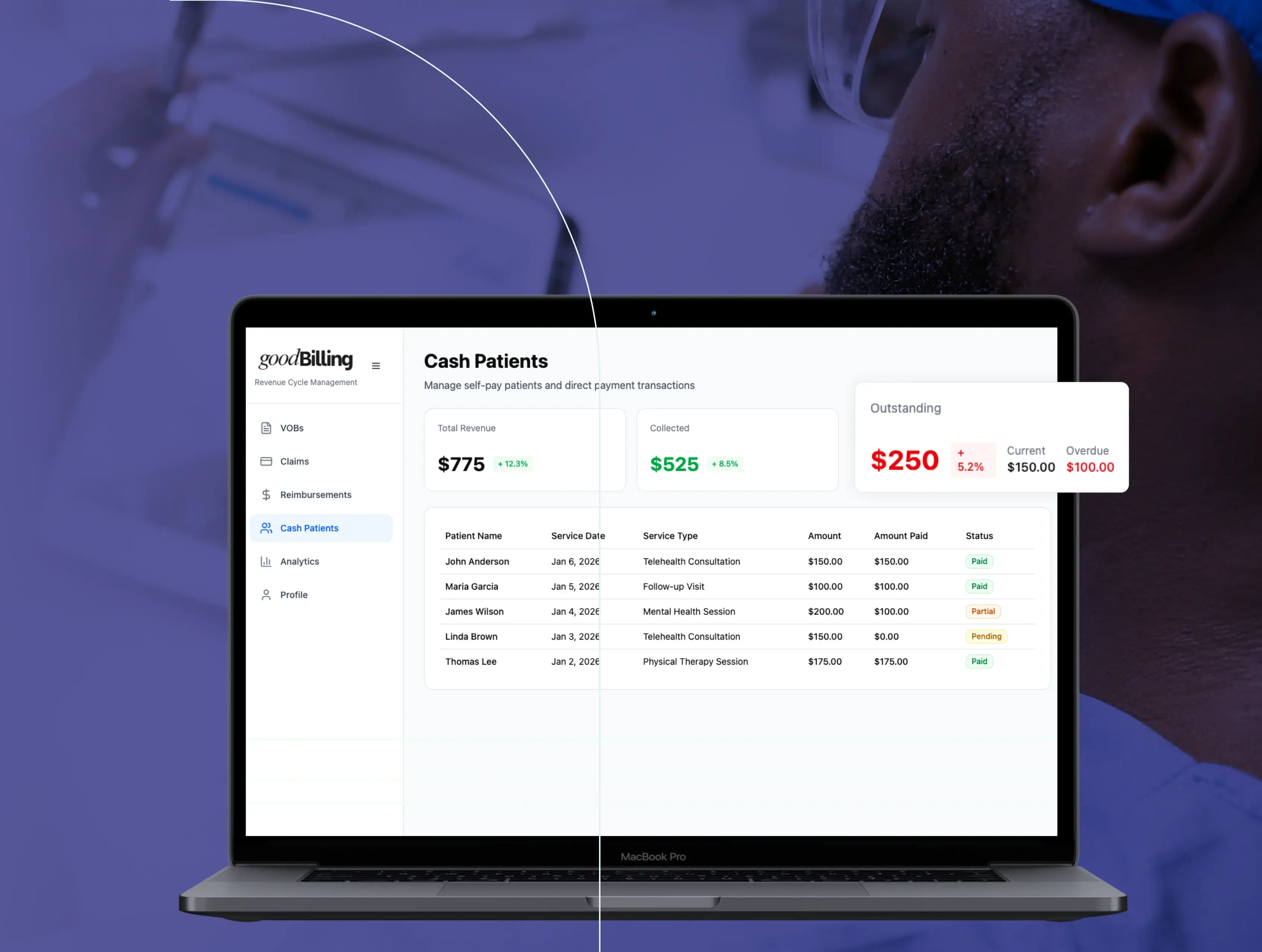
RCM automation still has enormous gaps because no algorithm so far could account for all the possible corner cases, payer-specific rules, incomplete information, and clearinghouse oddities. MindK uses AI agents that can learn and improve while automating prior auth, VoB, claim status, denial routing, and payment reconciliation. Exceptions are routed to humans together with the context.
Patient access depends on manual follow-up
The visit hasn't even happened, but the team has already spent time on repeated outreach for intake, scheduling, eligibility, VoB, reminders, and missing-data requests. MindK's AI agents cut the manual follow-up work by 1/2. Staff can collect cleaner information earlier, confirm coverage faster, and reduce delays in the patient's journey.
Data gaps make automation risky
Automation breaks when source data is duplicated, incomplete, inconsistent, or trapped in unstructured documents. Without costly manual cleanup, low-quality data threatens patient health. MindK makes your data foundations ready for automation and AI. You get integration layers and review workflows for cleaner inputs, safer outputs, and clear exception handling.
Healthcare still runs on legacy channels
Many workflows still depend on phone trees, faxed forms, PDFs, emails, scans, and portal navigation. Healthcare teams waste up to 70 minutes per patient visit on automatable work. MindK agents can handle APIs, documents, voice workflows, portals, faxes, and human review. This reduces manual work across the channels healthcare teams actually use.
Prior authorization is moving toward API
CMS-0057-F is pushing impacted payers toward FHIR-based workflows by 2027. MindK helps providers, RCM vendors, and HealthTech companies connect payer requirements, EHR data, documentation, review queues, and fallback paths into a governed authorization workflow.

End-to-End Healthcare Automation Services

Up to 80% faster time-to-value with ready-made AI agents and building blocks
Patient intake
Collects patient details, insurance data, consent forms and missing documents.
Eligibility
Checks active coverage and flags gaps before the visit.
Benefits verification
Breaks down deductibles, coinsurance, out-of-pocket limits and coverage rules.
Prior authorization
Finds requirements, prepares submissions and tracks authorization status.
Claim status
Checks payer and clearinghouse systems, then routes exceptions.
Denial routing
Classifies denial reasons and sends cases to the right queue.
Payer follow-up
Handles repeatable portal, fax, phone and document-request workflows.
Medical billing
Maps clinical notes and diagnoses to correct CPT and ICD-10 codes, scrubs claims , and tracks status through to adjudication.
Document processing
Extracts structured data from PDFs, scans, forms and clinical notes.
Patient communication
Automates reminders, missing-information requests and status updates.
Referral routing
Checks completeness, gathers records and routes next steps.
Human review queue
Escalates low-confidence, sensitive or high-impact cases to staff.
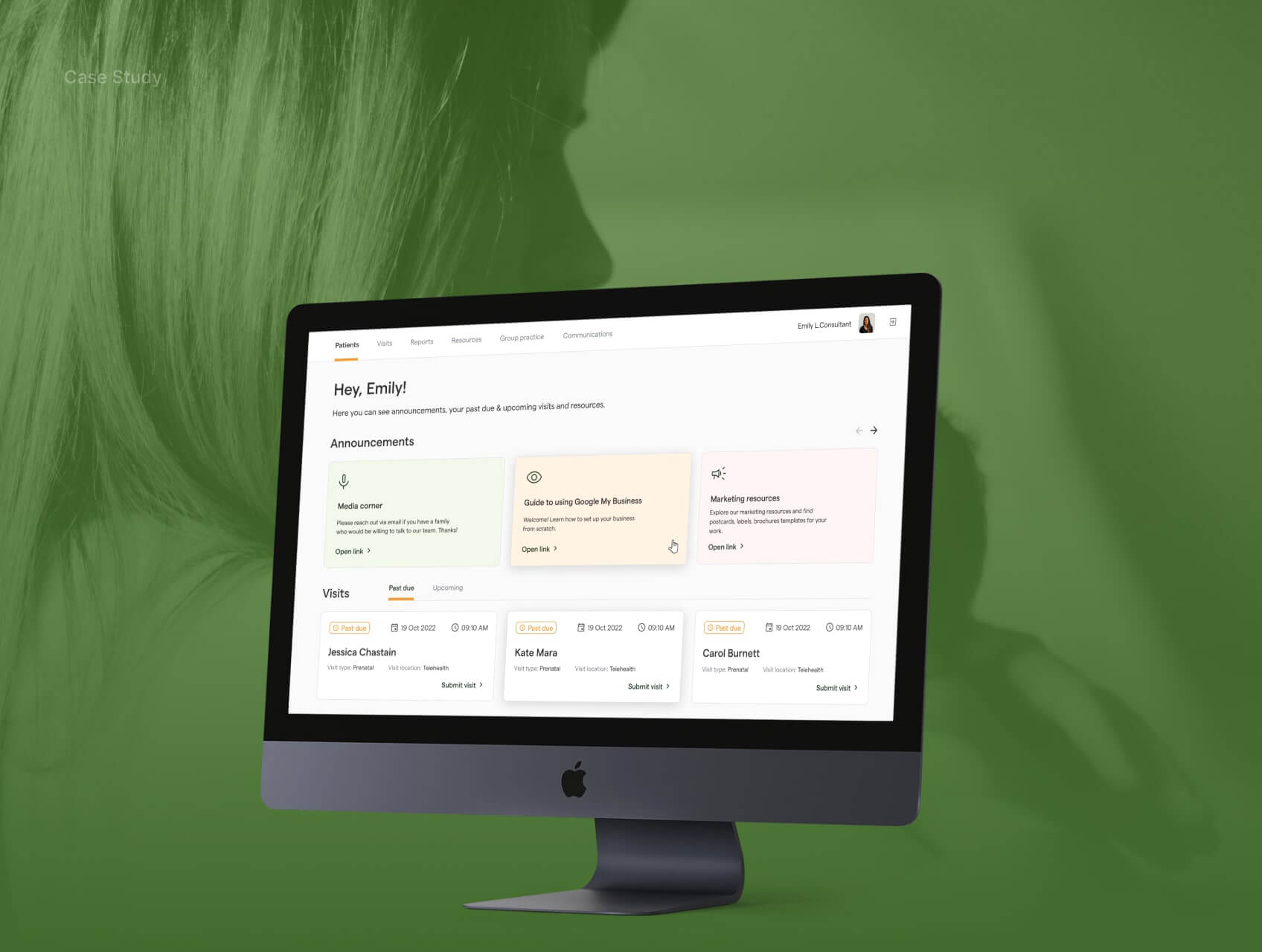

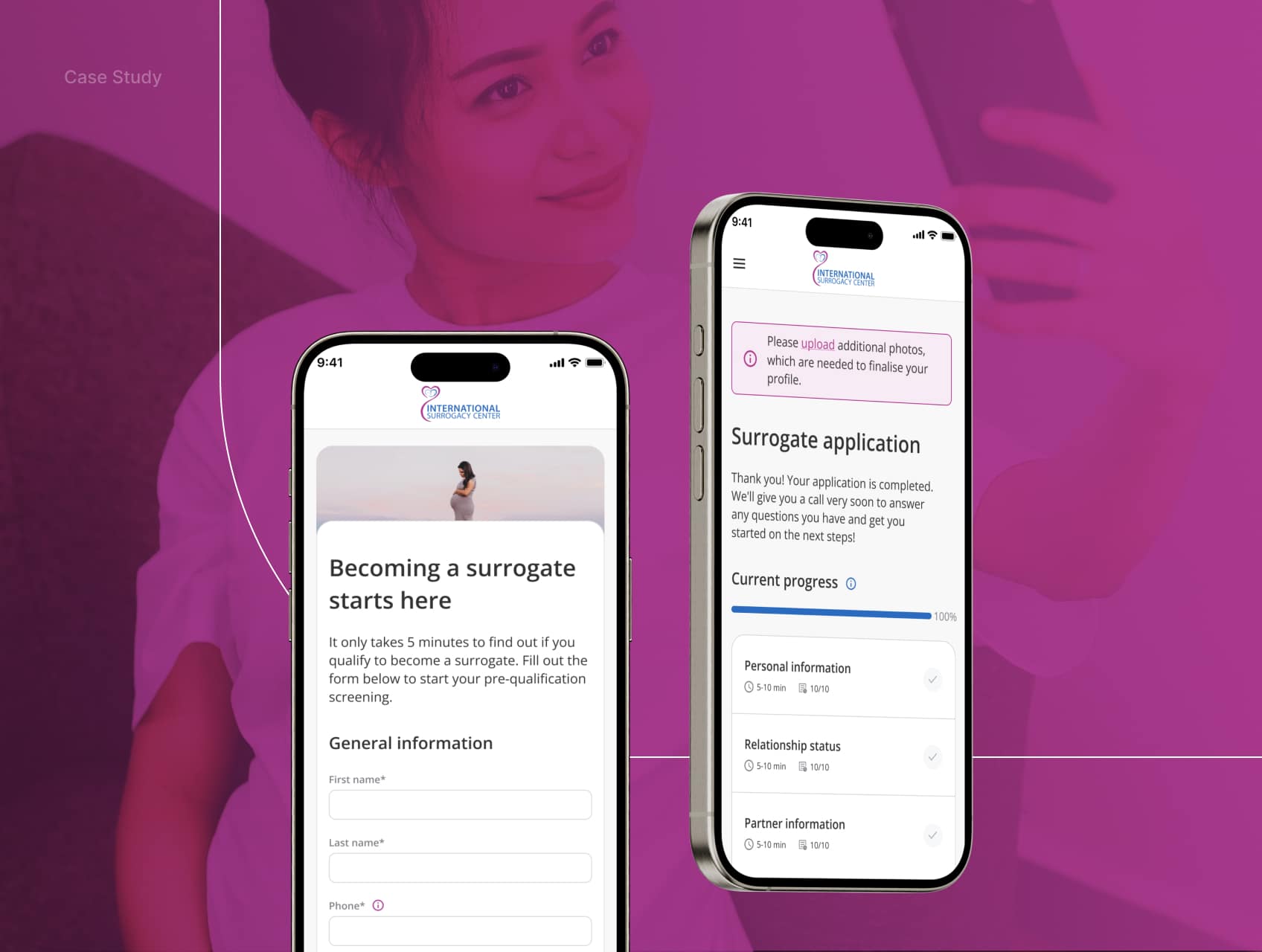

Healthcare automation solution types we build
Automation layers on top of existing systems
Custom healthcare platforms and workflow products

Meet HIPAA, GDPR & SOC 2 Requirements
HIPAA-aware architecture
Responsible AI for healthcare workflows
Data privacy, GDPR controls
SOC 2-aligned operational safeguards
Auditability and traceability
Want to know more?

Our healthcare automation process
Workflow discovery
Duration: 3 to 5 days
We identify the workflows with the highest volume, longest delays or most repeated staff actions. The team maps where work gets stuck, which exceptions require human review, and defines the success metrics for AI automation in healthcare.
Data, integration, compliance assessment
Duration: 1 to 2 weeks, parallel to discovery
MindK reviews source systems, PHI flows, payer dependencies, document formats, access needs and operational constraints. We define what agents can execute, what data must be cleaned, which steps need review queues, audit logs or manual approval.
Architecture and solution design
We define the agent logic, API and integration layer, data model, security controls, review paths, monitoring and launch scope. You get clear boundaries for PHI handling, sensitive outputs and human oversight.
Pilot or workflow-specific build
Duration: 4 to 8 weeks.
MindK builds a narrow production-ready workflow using agentic engineering, reusable components and senior technical oversight, then tests it against real data boundaries, exception paths and success criteria.
Controlled launch & review
Duration: 1 to 2 weeks.
Automation goes live. Human staff reviews exceptions, payer ambiguity, low-confidence outputs, and sensitive actions. Teams can approve, override and trace every automated step before coverage expands.
Monitoring and scale-up
Duration: ongoing.
Our medical automation services include the tracking of errors, exceptions, completion rates, user behavior, and operational outcomes. The team expands automation only after production data shows which workflows are stable enough to scale.

Seamless FHIR, HL7, and EHR integrations for automated workflows
Integration with the systems already in use
FHIR and HL7 data exchange
EHR workflow automation
Integration governance and monitoring

Why customers choose our healthcare process automation company
Agentic engineering
AI agents accelerate routine tasks at every stage of the project. Senior engineers are responsible for every decision and control the outcomes.
Automate, not replace
MindK designs healthcare workflow automation around your actual processes and tools instead of replacing everything with unproven solutions.
Ready-made AI blocks
Leverage our library of AI agents that automate healthcare's most high-friction workflows, from eligibility checks to VoB and medical billing.
Compliance and AI governance
MindK builds PHI safeguards, role-based access, audit logs, review queues, and override paths for clinical process automation.
What
our
clients
say
-

Allison Erickson
Director of Product, The Lactation Network
USA Such quality work in such efficient timing
«I have nothing but great things to say about our partnership with MindK and the solid work they have done and continue to do for the growth of our company. Our rapport is strong which is a reflection of their professionalism, hard work, and great outputs.»
-

Al Hariri
Co-Founder, Vitagene
USA Results-oriented and
outcome-driven«I can tell you confidently that they are different from your regular agency that just wants to charge as much money for their work as they can get away with. MindK is completely results-oriented and outcome-driven.»
-

Jason Lutton
CEO, International Surrogacy Center
Impressed with their ability to understand our industry
«MindK reduced the time a surrogate takes to complete an online application, increased the number of completed applications, and streamlined our intake process, resulting in fewer staff man hours needed to complete the backend processes for finalizing an applicant.»



Our Healthcare Knowledge Base


Let's talk about your healthcare automation project
Let us know about your challenges and we'll contact you within 24 hours to
schedule a free consultation with the MindK team.
FAQ
-
Can you automate workflows without replacing our EHR?
Yes. Healthcare services automation at MindK can include AI layers, integrations, agents, and review queues around your existing systems. The EHR can remain the operational source of truth while automation handles intake follow-up, eligibility checks, documentation routing, status updates, task creation and downstream system synchronization.
-
Which workflows should we automate first?
Start with high-volume, rules-heavy or delay-heavy workflows with clear inputs and measurable outcomes. Good first candidates include eligibility checks, verification of benefits, intake follow-up, prior authorization support, claim status checks, denial routing, documentation requests and patient reminders.
-
How do you handle PHI and AI models?
We start by mapping where PHI enters, moves, gets stored and leaves the workflow. From there, MindK defines model boundaries, minimizes PHI exposure, uses anonymization where possible and keeps sensitive workflows inside controlled environments when needed. Human review and audit logs are included where the workflow risk requires them.
-
Can humans review or override AI decisions?
Yes. Our medical automation services support review, escalation and override paths. MindK builds human-in-the-loop controls for sensitive workflows, uncertain outputs, payer ambiguity, clinical context and high-impact financial decisions.
-
Can you integrate with payer portals, clearinghouses and patient portals?
Yes. MindK integrates through APIs where available and controlled agent workflows where portals or legacy channels remain necessary. That can include payer portal navigation, clearinghouse connectivity, patient portal workflows, document handling, fax automation, voice workflows and review queues.
-
How long does a pilot take?
Pilot timing depends on workflow scope, integrations, data quality, system access, compliance review and the number of exception paths. Our healthcare automation services typically start with a narrow workflow that can be tested with real users, real data boundaries and clear success criteria before expanding automation coverage.
-
Can this support CMS-0057-F related prior authorization workflows?
Yes, where payer APIs, EHR data, documentation requirements and operational workflows can be connected into a governed authorization process. MindK can help design the integration layer, workflow logic, review queues, auditability and fallback paths needed to support API-enabled prior authorization while still handling portals, documents and legacy channels where they remain part of the process.
DOWNLOAD THE COPY
Fill in the form to get your copy. It's 100% free
