




Patient Engagement Software
Development Services
MindK is a patient engagement software development company that helps patients move effortlessly through booking, intake, visits, follow-up, and payment. Ship HIPAA-compliant software up to 50% faster with our library of ready-to-use AI agents and building blocks.
Trusted by





The real challenges behind poor patient engagement
Low portal adoption, missed appointments, slow follow-up, and overloaded front desks usually point to the same root problems.
EHRs built for providers, not patients
Most EHRs were designed around clinical documentation and billing. Patient-facing features came later, often under compliance pressure rather than product conviction. The result is software that satisfies regulatory requirements but fails basic patient usability.
Engagement breaks between systems
A patient’s journey often crosses four to six platforms with no shared data. Each handoff drops context and asks the patient to bridge the gap. Many patients do not. They miss follow-ups or switch providers.
HIPAA compliance makes patient UX expensive
Consumer teams can ship a feature and iterate in days. Anything touching PHI moves through security review, BAA coverage, EHR integration testing, and audit logging. That's why MindK builds patient-facing software on top of a HIPAA-compliant foundation and ready-to-use AI agents with automated PHI anonymization.
Engagement tricks copied from consumer apps
A retail app can nudge users with push notifications and gamification. A patient engagement platform requires clinical context. Which follow-up matters now? For which condition? At what point in treatment? Generic mechanics create noise that patients don't notice.

A better way to build custom patient engagement software
Custom patient engagement software
The team builds foundations from scratch: scheduling logic, intake flows, messaging, reminders, EHR connections, security controls, test coverage, and documentation. For a serious healthcare product that can push budgets into the $250K+ range before the first scalable version is ready.
01Software built using agentic engineering
MindK leverages ready-to-use AI agents, reusable integration patterns, and AI-assisted engineering. Scheduling, intake, eligibility, messaging, recall, and voice workflows are configured around the client’s operations instead of being built from scratch. This reduces the total cost of ownership by 50–75%.
02
Our patient engagement software development services

What patient engagement
means for the business
More billable appointments
Higher patient retention
Lower administrative cost
Faster revenue collection
Reputation that drives patient acquisition

Build your patient engagement solution up to 70% faster
Appointment scheduling
Books, reschedules, and manages waitlists across channels without staff intervention, syncing directly with the EHR calendar.
Digital intake
Collects patient demographics, consent, and health history before the visit and pushes structured data straight into the EHR.
Omnichannel messaging
Sends reminders, follow-ups, and care communications across SMS, email, push, and voice from a single triggered workflow.
Eligibility and benefits
Verifies insurance coverage in real time and calculates a patient's out-of-pocket cost before the appointment happens.
Follow-up and recall
Automatically re-engages patients for annual visits, chronic care check-ins, and missed follow-ups based on clinical triggers.
Voice and chat agents
Handles booking, FAQs, and triage routing conversationally, 24/7, without adding call center headcount.
Specialty clinical intelligence
Surfaces relevant clinical guidelines, care protocols, or patient history on demand to support provider decision-making.
Portal navigation
Autonomously operates portals for insurance, scheduling, retrieving records, or completing tasks
PHI anonymization
Strips or masks identifiable patient data before it reaches AI models, keeping PHI out of the parts of the system that don't need it.

Integrations we support for patient engagement platforms
-
 Mirth Connect
 -
 Epic
Epic -
 Oracle Health
 -
 athenahealth
 -
 NextGen
 -
 Salesforce
 -
 eClinicalWorks
 -
 Greenway Health
 -
 Stripe
 - Twilio
- SendGrid
- Apple HealthKit
- Google Health Connect
- Fitbit
- Garmin Health API
-
 Oura API
 - Withings
-
 Dexcom
 -
 Omron
Omron - Validic
-
 Redox
Redox - Health Gorilla
-
 Particle Health






Business Associate Agreement (BAA)
Encryption, access controls & audit logging
Compliance monitoring with infrastructure as code
GDPR compliance for EU-facing products
Breach notification & incident response
Want to learn about MindK's compliance?
Contact us
Our proven patient engagement system development process
Discovery & scoping
Duration: 1–2 weeks
We map patient journey gaps, define engagement metrics that matter to clinical and operational teams, and identify where AI creates real leverage. The output is a specific build plan rather than a proposal deck.
Infrastructure, environment setup
Duration: 2–2.5 weeks
HIPAA-compliant cloud infrastructure, CI/CD pipelines, IAM policies, security hardening, and compliance monitoring are configured before the first feature ships.
Iterative delivery
MindK works in Scrum-based sprints. AI accelerates code generation, test creation, and documentation, while engineers own all decisions and quality gates. Clients see working software every two weeks, not status updates alone.
Testing and launch
Duration: 1.5–2 weeks
Launch preparation includes AI-assisted UAT, automated E2E tests that self-heal, accessibility testing for patient-facing interfaces, and automatically generated release notes. This reduces the need for manual regression marathons before go-live.
Post-launch support & scaling
Duration: ongoing.
Continuous monitoring, AI-assisted incident response, and an architecture built for feature expansion help clients scale without significant ongoing development cost. Clients own the codebase, so they do not depend on MindK to keep it running.

Seamless FHIR, HL7 & EHR Integrations
FHIR as the default modern integration layer
HL7 v2 for legacy EHR connectivity
EHR-specific integrations
SMART on FHIR and payer-readiness

Why healthcare providers choose MindK for patient engagement development
Designed for healthcare
MindK designs around PHI, EHR data, payer rules, staff capacity, and fragmented operations, so patients get a clearer next step and teams cover fewer gaps manually.
Compliance-aware architecture
PHI controls, audit logging, access management, and secure cloud patterns are built in early, reducing late-stage compliance friction.
Agentic engineering with senior oversight
AI accelerates build, testing, and documentation work, while senior engineers own architecture, security, reviews, and delivery quality.
Built around patient KPIs
Roadmaps are tied to no-shows, portal adoption, follow-up completion, retention, staff workload, payment collection, and patient satisfaction.
What
our
clients
say
-

Allison Erickson
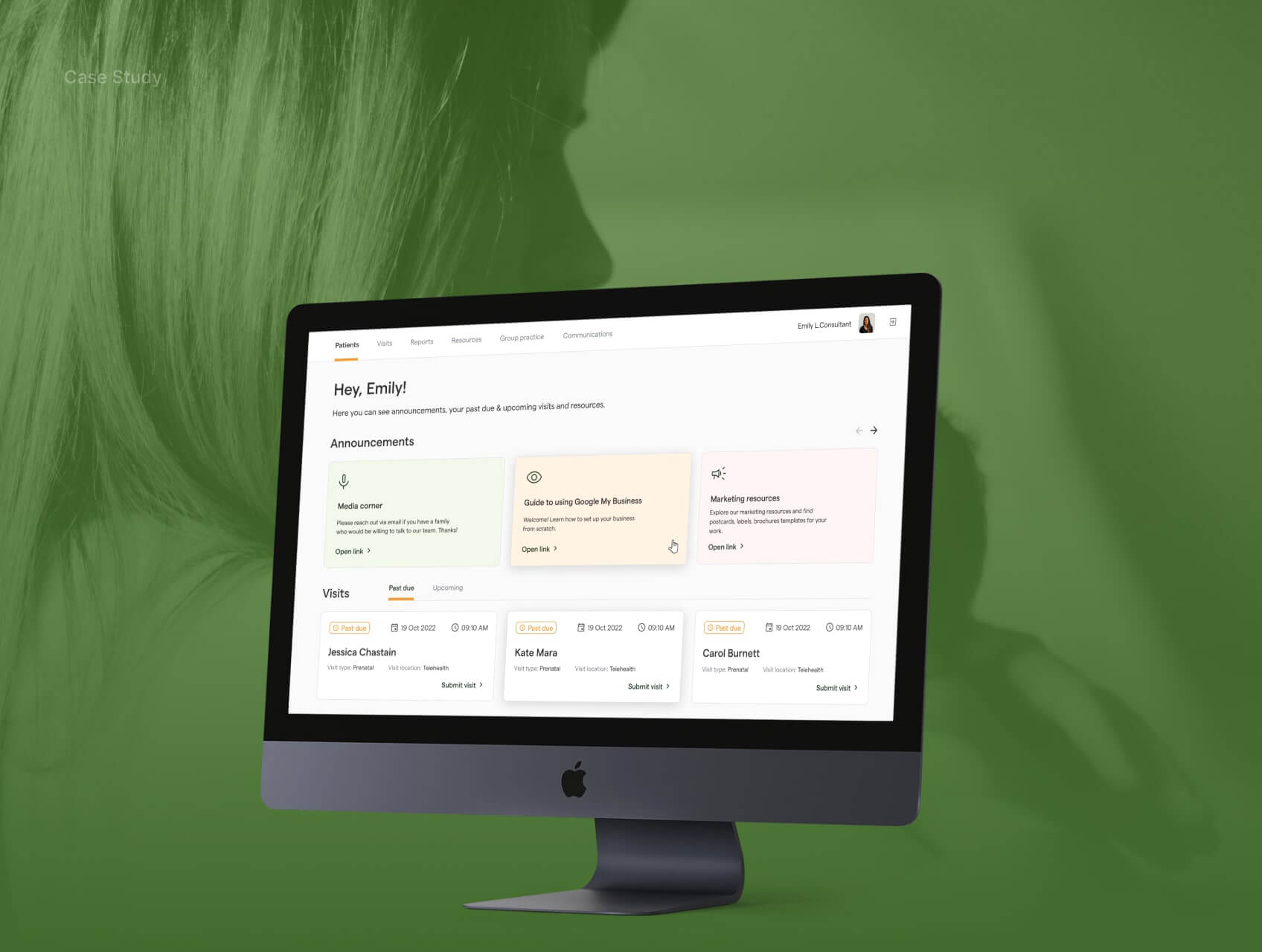
Director of Product, The Lactation Network
USA Such quality work in such efficient timing
«I have nothing but great things to say about our partnership with MindK and the solid work they have done and continue to do for the growth of our company. Our rapport is strong which is a reflection of their professionalism, hard work, and great outputs.»
-

Al Hariri
Co-Founder, Vitagene
USA Results-oriented and
outcome-driven«I can tell you confidently that they are different from your regular agency that just wants to charge as much money for their work as they can get away with. MindK is completely results-oriented and outcome-driven.»
-

Jason Lutton
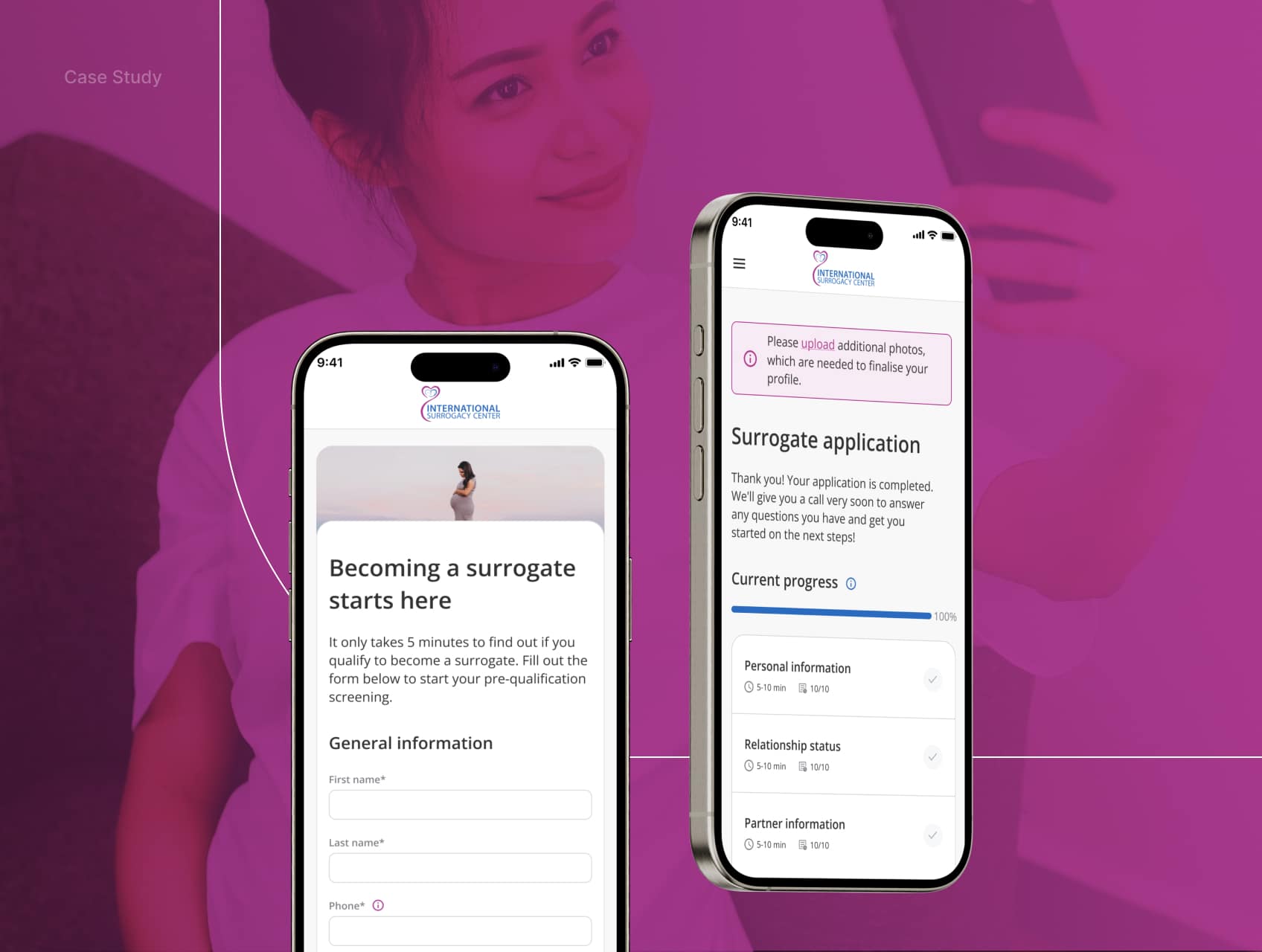
CEO, International Surrogacy Center
Impressed with their ability to understand our industry
«MindK reduced the time a surrogate takes to complete an online application, increased the number of completed applications, and streamlined our intake process, resulting in fewer staff man hours needed to complete the backend processes for finalizing an applicant.»



Complimentary services
EHR/EMR development
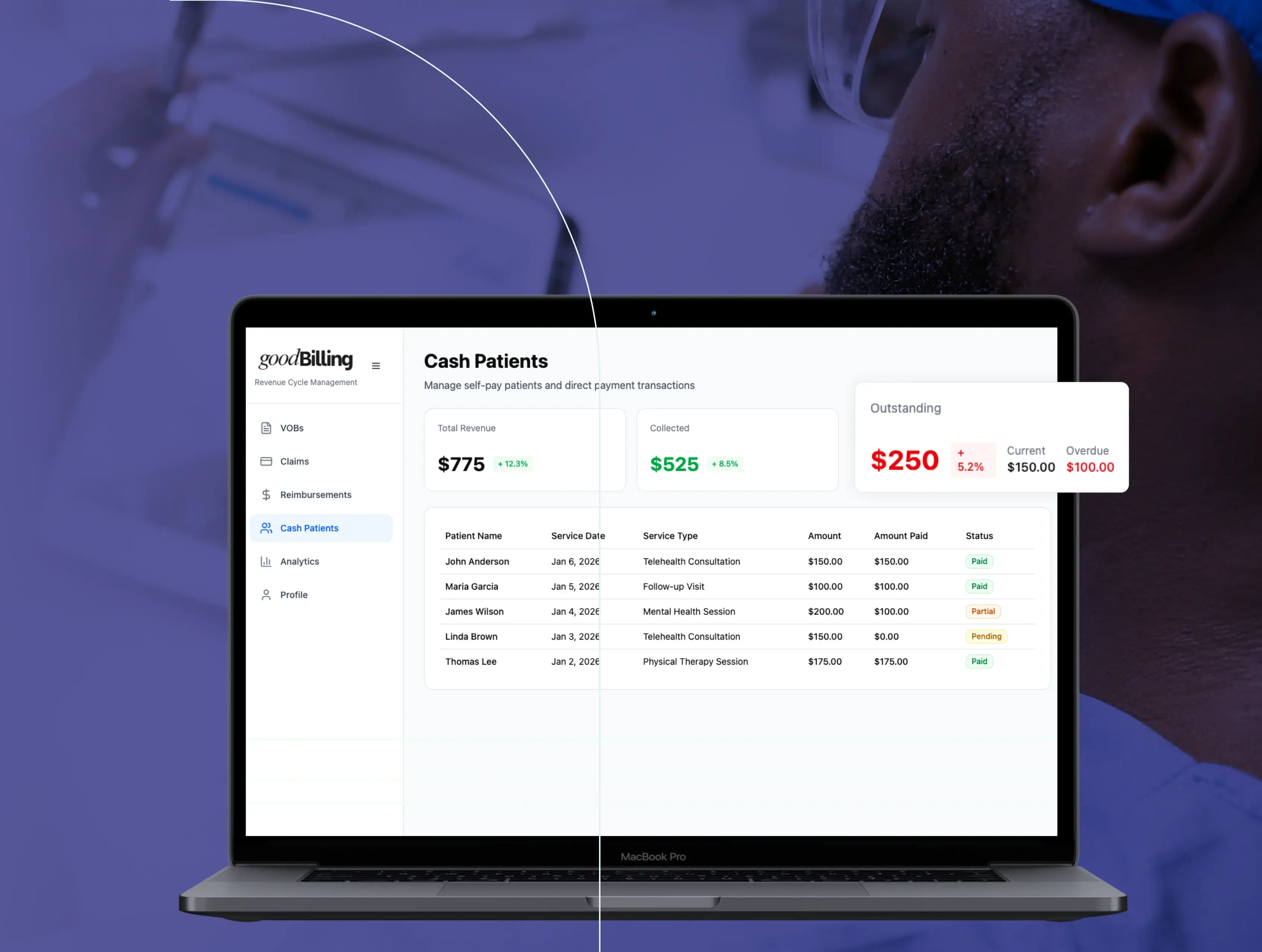
Agentic RCM & billing software
Healthcare AI consulting
Let's improve patient engagement together
Drop us a few words about your project. We will reply within 24 hours to set up a free strategy session with mental health app developers who have shipped compliant healthcare products.
Our Healthcare Knowledge Base


FAQ
- How long does it take to build a custom patient engagement platform?
An MVP with scheduling, a patient portal, and basic communication can launch in 6–10 weeks when the scope is focused and integrations are straightforward. Full-scale platforms with EHR integration, RPM, and telemedicine usually take 3–6 months. Timeline depends on integration complexity more than feature ambition.
- Do we own the code, or are we locked into MindK?
You own the codebase, the data, the infrastructure, and the architecture from day one. MindK’s engagement ends when your team is ready to operate independently, with knowledge transfer built into the process.
- Can you integrate with our existing EHR (Epic, Cerner, athenahealth)?
Yes. MindK has production integrations with Epic, Oracle Health (Cerner), athenahealth, NextGen, and Salesforce. FHIR R4 and HL7 v2 are standard practices for the team.
- How do you handle HIPAA compliance for PHI in patient-facing apps?
HIPAA is built in from sprint one: BAA signed before development begins, AES-256 encryption at rest, TLS in transit, RBAC, MFA, and full audit logging. Terragrunt-based infrastructure as code provides an audit-ready compliance posture validated across multiple MindK healthcare products.
- What’s the difference between your patient engagement software and what we’d get from a generic vendor?
A generic vendor’s roadmap is built for the average customer. A custom system is built for your patient population, clinical workflows, and integration environment. Patients engage with software that matches how they actually use healthcare. Generic portals usually fail to create that fit.