



Replace Costly
SaaS Sprawl with AI
For many companies, SaaS costs exceed $100,000 a year. This can get just as expensive as building software from the ground up. MindK replaces these expensive tools using an AI-driven approach, operated by Senior engineers. You still get a custom solution with zero bloat, just 3–4x cheaper.
Trusted by SME, enterprises, and consultancies


Enterprise SaaS pain points we cure
Enterprise SaaS often has a low barrier to entry. Soon, subscriptions begin to pile up till you pay hundreds of thousands of USD a year. An alternative, custom software, used to be prohibitively expensive and required constant attention from developers.
High total cost of ownership (TCO)
AI makes lean software easier to build, maintain, and evolve. MindK accelerates development with ready-made components and AI agents that access our Golden Repository. They generate features with 100% adherence to the same standards used by human teams for custom development.
Expensive maintenance
With AI, human engineers have to spend less billable time on fixing software in production. The only requirement is to have a solid, future-proof foundation instead of a vibecoded mess. That's why focus on solid architecture foundations, clear ownership, deliberate dependency choices, and human review of everything that reaches production.
Mismatch with real workflows
Build around the operating model you already use. We map workflow role by role, then turn the approvals, handoffs, exceptions, data fields, and dependencies into software that fits the way the company actually runs.
Bloat of pointless features
Enterprise SaaS comes with things your employees hate (but you still pay for). With MindK, you get exactly what you need, packaged in a clean interface. If the needs change, we build enhancements on top of an easy-expandable foundation.

We still build custom software, 4x faster
Vibe-coding
Vibe-coding is excellent for prototyping. Tools like Claude Code and Cursor produce working features fast and cheap. With no expert oversight, the resulting architecture is often sloppy. Critical bugs and vulnerabilities slip into production, causing real harm to the business. The solution becomes a pain to scale in the long term.
01Agentic engineering
Our AI process is controlled by Senior engineers. Agents turn notes into structured requirements, generate early prototypes, scaffold code against established patterns, create test coverage, assist with debugging and documents. Humans still own architecture, system boundaries, quality, security, code review, and release decisions.
02Get a custom solution that's up to 4x less costly to build and maintain in the long run. Architecture and infrastructure are optimized for scalability and compliance from day one.

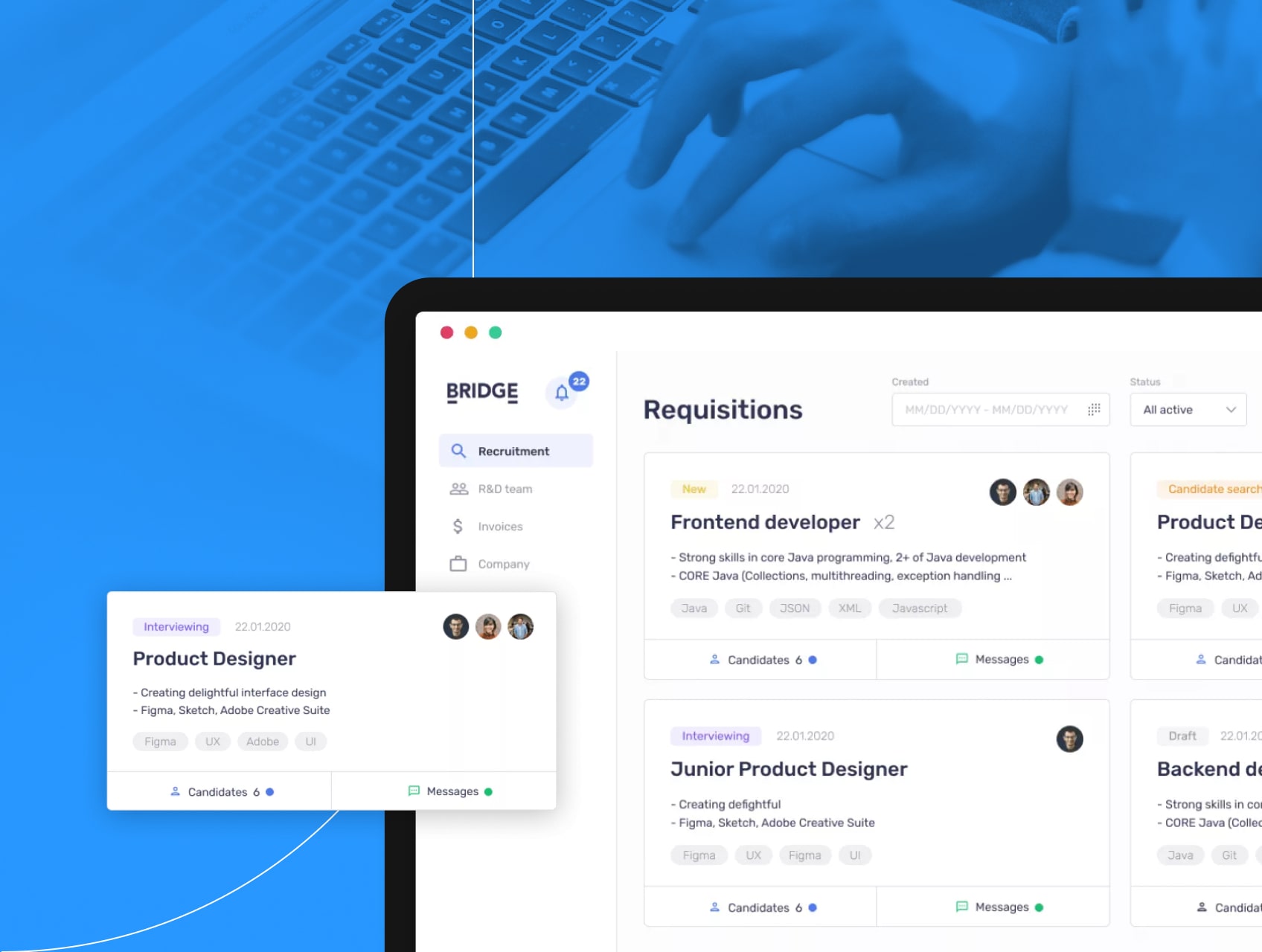
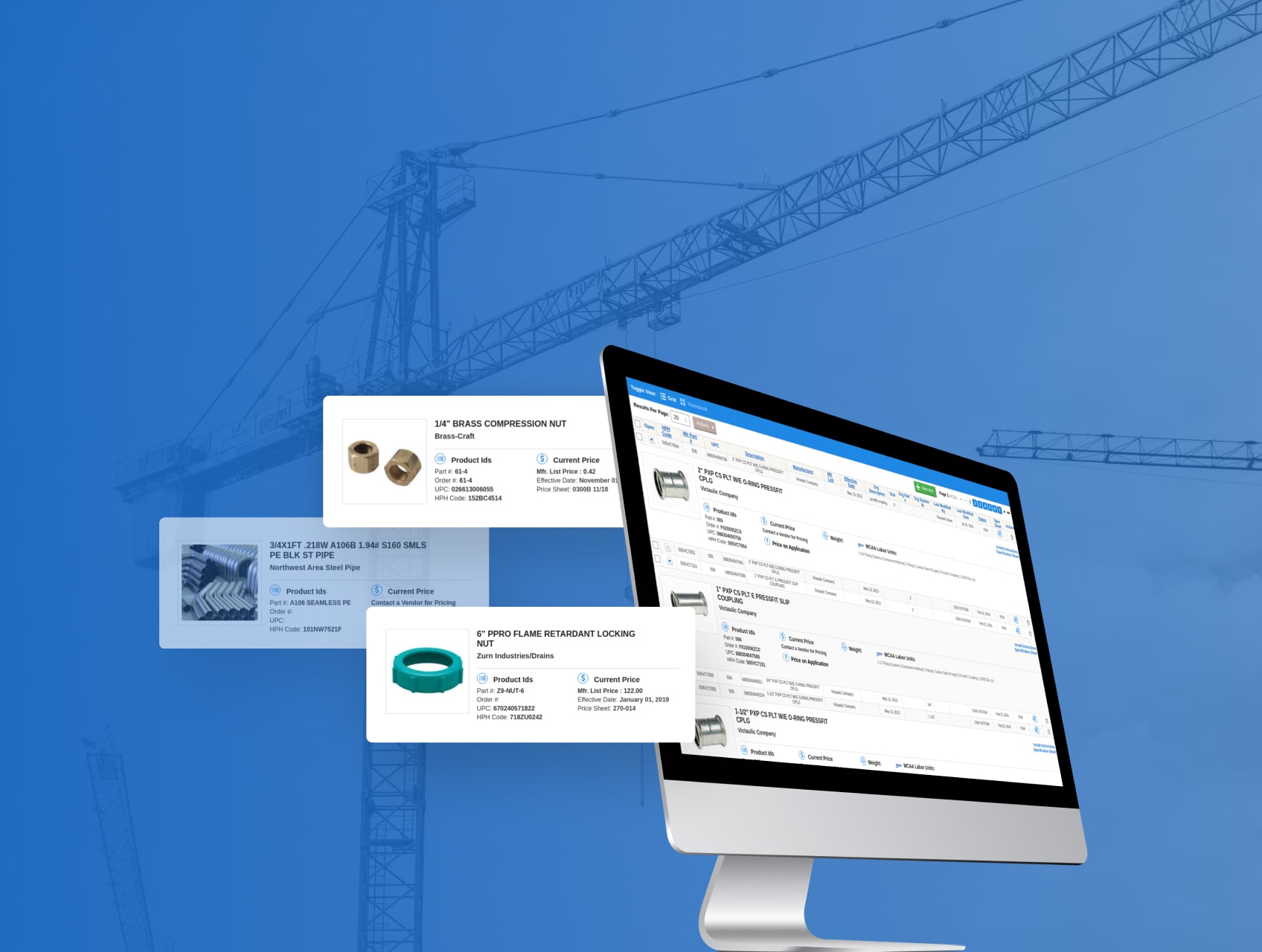
Enterprise SaaS types we replace
How it works
Discovery assessment
Duration: 1 to 2 weeks
Our Solution Architect and Proxy Product Owner map the workflow, systems involved, users, exceptions, integrations, security needs, and commercial logic. The point is to find the smallest replaceable layer with real payoff. AI helps move faster through prototyping, concept shaping, requirement refinement, and early solution modeling so the team can test direction before committing too much time or money.
What you get: build-vs-buy & feasibility assessment, architecture, clear MVP scope, clickable prototypes. Delivery plan with assumptions, boundaries, success criteria.
MVP build
Duration: 5 to 8 weeks
Ship a product that's actually useful. AI provides code scaffolding, test generation, debugging support, release preparation, and documentation, while humans validate and approve all decisions. We focus on better test coverage, cleaner documentation, consistent implementation, and faster issue resolution to make maintenance affordable after launch.
What you get: working replacement core workflows, production-ready integrations, and enterprise data migrated to new systems.
Iterative rollout
Duration: 2 to 4 weeks
Expand based on usage, edge cases, and adjacent workflow needs. MindK replaces layers only when the economics still make sense, and the system is proving that it deserves a wider role.
What you get: prioritized improvements based on live usage and feedback.
Low-cost maintenance
Duration: ongoing
Reduce the cost of changes over time with AI debugging, docs upkeep, and test maintenance help. The operating model stays 100% human-led with architecture oversight, dependency governance, security, QA, and release discipline.
What you get: monitoring and maintenance setup, handover documentation.
Keep all your data and integrations
Integration-first architecture
Data migration without downtime
Interoperability for regulated domains
Better visibility across fragmented workflows
Consult businesses on how to optimize their processes?
Added value for your clients
AI-ready implementation
Higher revenue per deal
Access to larger customers
Relationships beyond audit
White-label, co-delivery options
Why MindK
Built for future ownership
Documentation, test coverage, mature components, and disciplined architecture simplify maintenance.
Up to 80% faster delivery
We use agentic engineering and reliable premade components to accelerate delivery and lower TCO.
Robust cloud infrastructure
Own a scalable infrastructure optimized for reliability and cost control.
High security & compliance
MindK specializes in highly-regulated domains, such as healthcare and revenue cycle management.
What
our
clients
say
-
Alexander Radchenko
CEO, Radenia AG,
SwitzerlandTransparency and focus
on business value«I've been working with multiple IT services providers for more than two decades and what sets MindK team apart is transparency, focus on business value and quality of the services provided.»
-

Allison Erickson
Director of Product, The Lactation Network
USA Such quality work in such efficient timing
«I have nothing but great things to say about our partnership with MindK and the solid work they have done and continue to do for the growth of our company. Our rapport is strong which is a reflection of their professionalism, hard work, and great outputs.»
-

David McPhaul
President,
Harrison Publishing House, USA David McPhaul
«After many frustrating and failed Indian outsource development projects, I was very fortunate to find MindK. This team possessed the coding skills required, worked well in an agile environment, effectively interacted with our internal data developers, and most importantly took an active interest in the project.»
-

Ida Groth
Senior Product Manager, Building Materials Company
Norway Responsibility
and proactiveness«It’s so comforting to know that they see the whole picture and take full responsibility. It’s made all of the difference. I was most impressed with their proactiveness.»
-

Jens Christian Bang
CEO, Already On
Norway MindK always finds a solution
«We've been successfully cooperating with MindK since 2010. What we were impressed with about people at MindK during all years of partnership — they never give up. We're not worried, as we know that MindK always finds a solution.»
-

Jason Lutton
CEO, International Surrogacy Center
Impressed with their ability to understand our industry
«MindK reduced the time a surrogate takes to complete an online application, increased the number of completed applications, and streamlined our intake process, resulting in fewer staff man hours needed to complete the backend processes for finalizing an applicant.»
-
Jordan Crone
Chief Experience Officer, Melody
USA Smooth
communication flow«Our project has been going smoother than I could have imagined... It's the first time I've worked with a dev team a distance away that didn't have major (or any, for that matter) hiccups or have things lost in communication. I wish we could snatch them and make them a part of our team.»
-
Jesse Raccio
CTO, The Game Band
USA The team is always there to dig in and help
«I’m happy with MindK’s agility, which relates to their communication. If we need to pivot on something, they’re ready to go in a different direction, and it doesn’t take a lot of energy to move that ship. The team is always there to dig in and help us out when we need to understand anything. Overall, they’re really supportive.»
-
Per Otto Larsen
Head of CSR Services, CEMAsys.com
Norway High level of detail
and thoughtfulness«The level of detail and thoughtfulness of what they deliver is so good, that a simple explanation of the next idea serves as the basis for them to take it and turn into reality. MindK’s support allows us to focus on core business, product growth and our customers’ needs.»
-
Philip Yancey
Partner at Converze Media,
USA A reliable partner
«I appreciate how MindK was able to build such a platform from conference calls, emails and basically a wish list of what our company wanted and needed automated to make Converze a more efficient and effective player in our space.»


Replace your expensive SaaS subscriptions
Let us know about your SaaS challenges and we'll help you resolve them
with AI agents and accelerated software development.
Our approach
FAQ
- How do we know a workflow is worth replacing?
Look for repeatability, cross-team dependency, high workaround volume, license overlap, and a process important enough to deserve cleaner ownership.
- Won’t a custom build cost more than staying with SaaS?
Sometimes in year one, yes. The right comparison is total cost of ownership over time, not build cost in isolation. Lower recurring license waste, fewer workarounds, less admin overhead, and clearer ownership can change the economics materially.
- What's the smallest viable starting point?
One workflow layer, one team, or one recurring process where a focused replacement can produce visible operational value without forcing broader change.
- How long does this take?
It depends on the scope. A tightly bounded workflow layer moves much faster than a broad transformation program.
- How hard is it to migrate data from existing tools?
That depends on source quality, historical-data needs, reporting dependencies, and how much coexistence is required. In many cases, phased migration is the safer option.
- Can the new system coexist with the rest of our stack?
Yes. In many cases, it should. The best first move is often a replacement layer that sits alongside existing systems before any broader transition.
- Is AI-generated software reliable enough?
Only when AI is treated as an accelerator inside a human-led engineering process with architecture review, QA, validation, and release discipline.
- Can we replace just one layer and leave the rest of the stack intact?
Yes. That is usually the smartest starting point.
DOWNLOAD THE COPY
Fill in the form to get your copy. It's 100% free
