



Telemedicine EHR Software
& EMR Solutions
Get telemedicine EHR software built around your specialty workflows. We use Mindk’s ready-made AI agents and Medplum as a HIPAA-compliant foundation for custom platforms. Our AI-native approach cuts build time by 50% to 75% and makes support affordable in the long term.
Trusted by







Why most telemedicine EHRs fail the teams using them
Most telehealth platforms extend an in-person EHR with video. That leaves specialty clinics with charting gaps and weak integrations. MindK designs software around the clinic’s workflow rather than the default assumptions. We use Medplum to not rebuild core healthcare infrastructure, and AI to reduce manual work across development and care.
Generic charting breaks under specialty workflows
Specialties do not share one clinical template. A FHIR-native data layer gives the product a structured base for encounters, observations, questionnaires, care plans, and documents, while AI can help turn existing forms and notes into draft charting models. Clinicians and architects still validate the model before it becomes the system of record.
Telemedicine and EHR live in two systems that don't talk
When video, documentation, billing, and follow-up sit in separate tools, clinicians become the integration layer. Medplum acts as a shared backbone for FHIR data exchange. The result is a cleaner path toward one patient context across the visit and the record.
SaaS license costs scale faster than patient volume
Per-seat pricing and stacked SaaS tools become harder to justify as patient volume grows. MindK helps telemedicine-first clinics replace expensive SaaS sprawls with a focused solution assembled from ready-made components and AI agents, tailored to the way those clinics actually work.
Retrofitted compliance means expensive rework
ePHI handling, identity, permissions, audit logs, and encryption need to shape the architecture early. Teams that push them into a late compliance sprint often lose 200+ hours of senior DevOps time rebuilding what they already shipped.
Integration timelines slip on vendor-specific FHIR/HL7 gaps
FHIR reduces custom integration work, but it does not make every EHR behave the same way. Vendor-specific resource coverage, authentication flows, field behavior, and operational constraints still need adapter work.
Patient engagement stops the moment the visit ends
A telemedicine EHR should keep working after the consultation. To improve retention, structured clinical data should trigger AI agents for intake completion, follow-up reminders, no-show recovery, RPM alerts, and message triage.

A new approach to custom telemedicine EHR software development
Traditional Telemedicine EHR/EMR Development
You get full control over clinical workflows, security decisions, interoperability, and long-term product architecture. However, fully custom projects remain unaffordable for most healthcare teams with development costs ranging from $120K to $300K+.
01Software built using agentic engineering
MindK assembles telehealth software with our AI agents and Medplum as reusable foundations for custom software. You still get tailored workflows, while AI compresses every part of delivery. Research time goes from weeks to days, coding effort is reduced by 30–40%, and tests are twice as fast to run.
02
End-to-End Telemedicine EMR Software Development

Move your telemedicine-first clinic from reactive to managed care
Turn one-time visits into a managed relationship
Free clinicians from charting without altering how they practice
Scale services without increasing headcount

Build patient engagement solutions up to 70% faster
Integrations we support for patient engagement platforms
-
 Medplum
 -
 AWS
AWS -
 Cursor
 - Claude Code
- Terraform
-
 Epic
Epic -
 Mirth Connect
 -
 Oracle Health
 -
 athenahealth
 -
 NextGen
 -
 Salesforce Health Cloud
 - AWS Cognito
- AWS KMS
- Azure AD B2C
-
 Auth0
Auth0 -
 Keycloak









Explore our library of ready-to-use AI agents and building blocks
Patient intake
Collects and structures pre-visit patient information (history, forms, insurance details) so the chart is pre-populated before the clinician joins the call.
Scheduling
Books, reschedules, and coordinates appointments across patients and clinicians without manual back-and-forth.
Ambient scribing
Listens during the video visit and turns the conversation into structured, specialty-specific clinical notes in real time.
No-show recovery
Detects missed appointments and automatically reaches out to get the patient rebooked before the relationship goes cold.
Post-visit follow-up
Sends care-plan reminders, check-ins, and next-step prompts after the visit ends to keep patients on track.
RPM alert triage agents
Monitors incoming remote patient monitoring data and flags readings that cross clinical thresholds for care-team review.
Inbound message triage
Reads incoming patient messages and routes them to the right team member based on urgency and topic.
Eligibility checks
Confirms a patient's insurance eligibility ahead of the visit to avoid coverage surprises at billing time.
Verification of benefits
Checks plan-specific coverage and benefit details with payers before the encounter is billed.
Medical billing
Generates billing codes and submits claims directly from the encounter record to speed up reimbursement.
Seamless EHR/EMR and telemedicine integrations
EHR and EMR platforms
Practice management software
Patient portals
Remote patient monitoring platforms
Medical billing and RCM systems
Lab and imaging systems
Healthcare CRM

Our proven telemedicine software development process
Discovery and scoping
Duration: 1–2 weeks
MindK’s Proxy Product Owner and Solution Architect map specialty workflows, define measurable success criteria, and identify where AI can change the operating model. The output is a validated plan with a rough estimate and clear delivery assumptions.
Infrastructure, environment setup
Duration: 2 weeks
AWS HIPAA-aligned infrastructure, CI/CD pipelines, security hardening, and monitoring are set up early. AI helps generate Terraform from MindK’s modular templates, while engineers review every module for security, maintainability, and fit with the target architecture.
Iterative delivery in Scrum sprints
Sprints follow the Golden Repository pattern. AI generates code, tests, and documentation against pre-configured contracts and existing modules. Engineers remain responsible for every quality gate. The client sees a working increment at the end of each sprint and can adjust direction without forcing an architectural reset.
Testing and launch readiness
Duration: 1.5–2 weeks
Acceptance criteria from Jira become BDD scenarios. Testsigma supports E2E testing with self-healing scripts that reduce false failures from minor UI changes. HIPAA, SOC 2, and ONC readiness checks happen before go-live.
Post-launch support and scaling
Duration: ongoing.
Datadog and CloudWatch monitoring help surface incidents before they affect users. Refinements continue in the same iterative cadence, so new requirements move into the product backlog rather than a disconnected maintenance queue.

HIPAA-compliant and secure telemedicine software
ePHI encryption at rest and in transit
Role-based access control and audit logging
HIPAA-compliant video consultation infrastructure
Automated vulnerability scanning and security hardening
SOC 2 and ONC certification readiness
What
our
clients
say
-

Allison Erickson
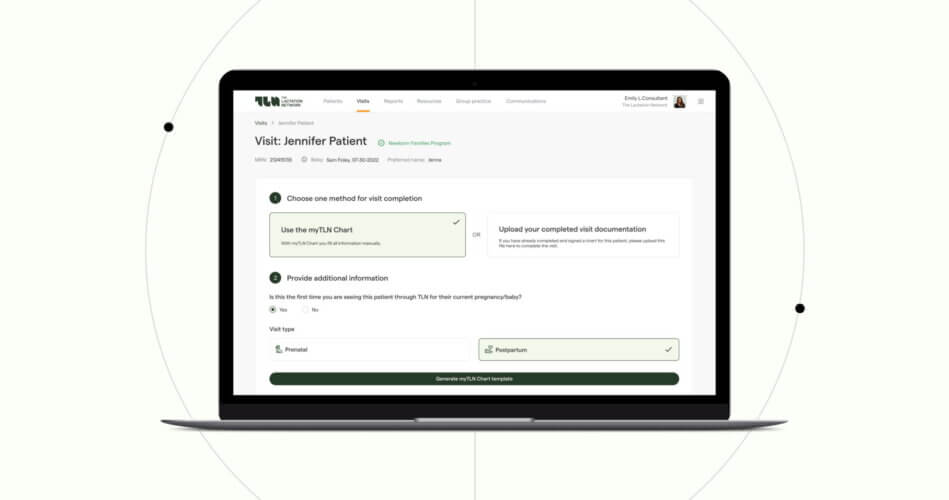
Director of Product, The Lactation Network
USA Such quality work in such efficient timing
«I have nothing but great things to say about our partnership with MindK and the solid work they have done and continue to do for the growth of our company. Our rapport is strong which is a reflection of their professionalism, hard work, and great outputs.»
-

Al Hariri
Co-Founder, Vitagene
USA Results-oriented and
outcome-driven«I can tell you confidently that they are different from your regular agency that just wants to charge as much money for their work as they can get away with. MindK is completely results-oriented and outcome-driven.»
-

Jason Lutton
CEO, International Surrogacy Center
Impressed with their ability to understand our industry
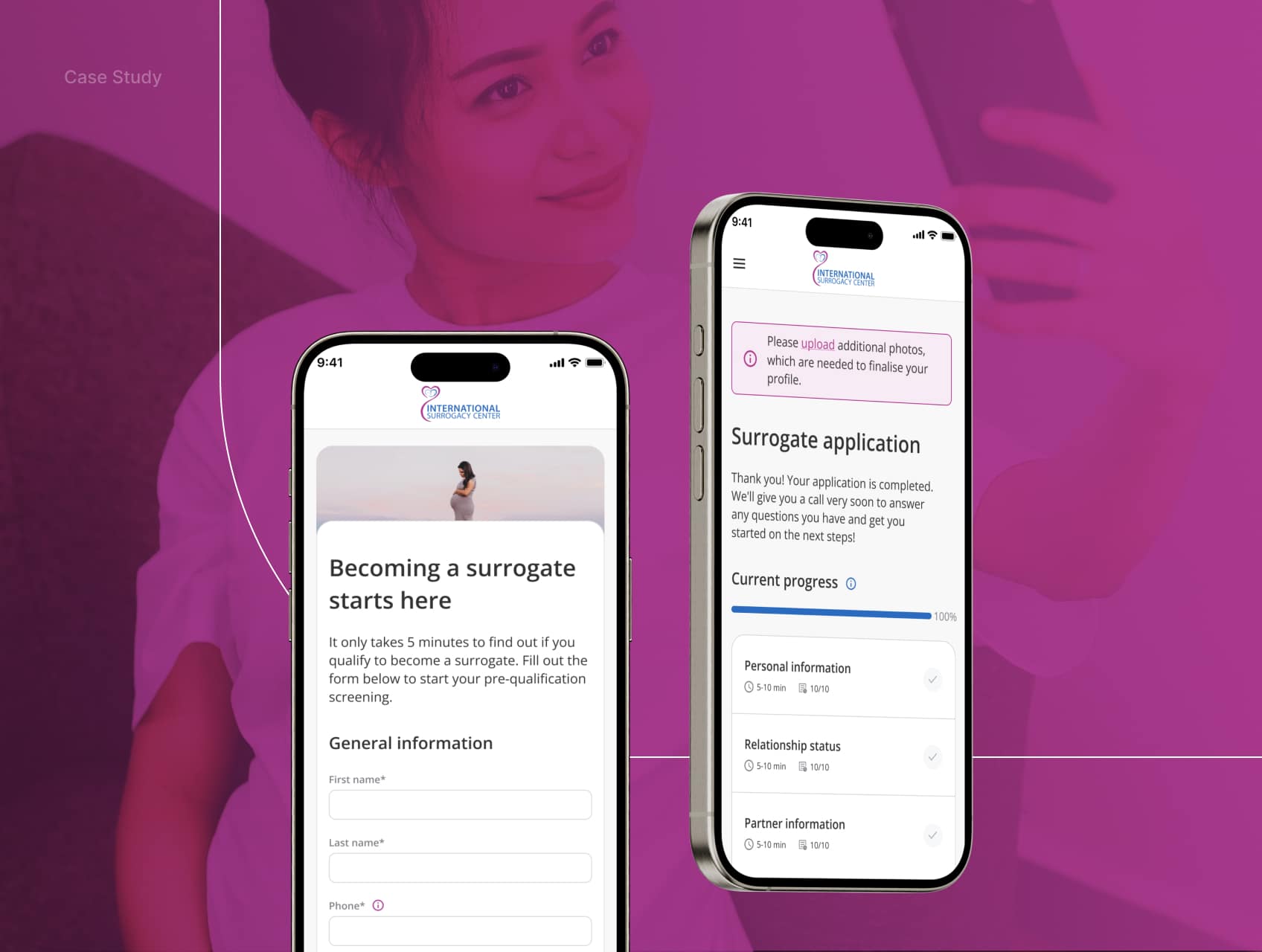
«MindK reduced the time a surrogate takes to complete an online application, increased the number of completed applications, and streamlined our intake process, resulting in fewer staff man hours needed to complete the backend processes for finalizing an applicant.»




Why choose MindK for telemedicine EHR development
FHIR-native expertise
MindK builds around FHIR, HL7, and SMART on FHIR from the start, accounting for vendor-specific gaps across Epic, Oracle Health, and athenahealth.
50% to 75% faster build
MindK combines AI agents and reusable healthcare components to shorten delivery. You still own the code, data, and architecture.
100% specialty fit
Specialty workflows shape the product before development starts. Charting, video visits, scheduling, and RCM follow how clinicians actually work.
Product thinking
MindK's team validates the business case before sprint one. The work moves through fast prototypes with clinician feedback.
Let's talk about your telemedicine project
Drop us a few words about your project. We will reply within 24 hours to set up a free strategy session with mental health app developers who have shipped compliant healthcare products.
Complimentary services for HealthTech companies
Our Healthcare Knowledge Base

FAQ
- How long does it take to build a custom telemedicine EHR?
Six to eight weeks can be enough for a usable MVP with the right scope. The core build phase usually takes five to ten weeks under the AI-accelerated model. Traditional 8 to 14 week build windows can be compressed by 50% to 75% because boilerplate, tests, and documentation are generated against existing patterns.
- Can we integrate a telemedicine module into our existing EHR instead of replacing it?
Yes. FHIR R4 and HL7 v2 connectors into Epic, Oracle Health, athenahealth, and NextGen are standard work for MindK. With the right adapter fit, integration work that often stretches across months can compress into two to four weeks.
- How do you handle HIPAA and SOC 2 from day one?
AWS HIPAA-aligned infrastructure, automated security scanning, ePHI encryption, access controls, and audit logging are built into the architecture early. That reduces the risk of expensive compliance rework after the product is already in use.
- Do we own the code, or is this a licensed platform?
You own the code, the data, and the architecture in full. There is no SaaS lock-in, no per-seat licensing model, and no vendor roadmap controlling what you can build next.
- What if our specialty is too niche for major EHR vendors?
That is exactly where custom development can make sense. MindK designs the specialty data model before code is written, then builds the telemedicine EHR system around the workflows, charting patterns, and operational rules of that clinical area.