Automate business processes
without rising headcount

What is agentic process automation?
How agentic automation differs from traditional RPA
Key capabilities of AI agents for business
Trusted by

AI agents for every team
Customer support
Sales & marketing
Finance & accounting
Human resources
Operations
Procurement



Our ready-made agents and AI building blocks
Voice call automation
Places outbound calls, works through phone menus and hold queues, interviews a live representative, and returns structured data.
Mult-step chat workflows
Runs third-party web-chat conversations with automated bots and live representatives, including holds and redirects.
Browser workflow automation
Completes repeatable tasks in third-party web portals that have no API.
Report & CV Evaluation
Assesses CVs, reports, and other document types against configurable criteria.
Lead Intake & Qualification
Checks each inbound lead against your qualification criteria and routes qualified ones to the right rep with a summary.
Sales outreach
Drafts personalized emails and follow-ups from CRM data and account research, sent after rep approval or under rules you set.
Interactive Q&A for course promotion
Answers the potential enrolee's questions based on the course content inside LMS and enterprise learning systems.
SMS, Email, Fax automation
Sends, receives, and processes required records and requests across traditional channels.
Document processing
Extracts structured data from PDFs, scans, forms and email attachments.
Data normalization
Standardizes formats and flags duplicates in records from different sources before they reach your systems.
Grounding checks
Grounds responses in the company's internal knowledge base, and backs every recommendation with a link to the guidelines.
Completion rules
Marks a task done only when every required field is captured
Human-in-the-loop controls
Pauses selected agent actions or AI recommendations for staff approval and records every override
Model gateway
Lets each component switch AI models or providers without changing workflow logic.
Sensitive data masking
Hides personal identifiers before third-party AI models see them.

Our agentic process automation services

How we deliver results
The pilot is typically live in 2-4 weeks after kickoff, with the full solution taking 7 to 12 weeks to become operational. Success criteria and a baseline are agreed upon in the first week, and the automation is judged against them.
Process audit
Duration: 3-5 days
We map where work gets stuck and which exceptions need a person. What you get: a ranked list of workflows to automate, with a baseline and success metrics for the first one.
Data & integration assessment
Duration: 1-2 weeks, in parallel
MindK reviews your source systems, data flows, access needs, and regulatory constraints. What you get: a map of the systems and data the agents will use, and a list of which actions run automatically and which need approval.
Pilot build
Duration: 1-3 weeks
We design the agent logic, integrations and review paths, then build one narrow workflow from reusable blocks, with senior engineers owning every decision. The pilot runs on real data, with your staff reviewing exceptions and sensitive actions. What you get: a working pilot measured against the agreed success criteria, and a cost-per-task estimate at full volume.
Full solution
Duration: 2-3 months
The workflow expands to its full scope and volume, with every integration, permission and review path in place. Coverage grows in stages, and your staff can override and trace every automated step. What you get: the complete workflow in production, with a review queue and admin console for your team.
Monitoring and scale-up
Duration: ongoing
We track errors, exceptions and cost per task in production. Automation expands to the next workflow only when the data shows the current one is stable. What you get: a recurring performance report and a recommendation for the next workflow to automate.
Security, compliance and AI governance
Permission-scoped tools and approval gates
An audit trail for every agent action
Data privacy, GDPR and model hosting
HIPAA compliant AI and SOC 2-aligned controls

Why companies choose MindK for agentic process automation
Ready to use AI blocks
Voice, chat, and document agents already run in production with review queues, audit logs, and agent orchestration that come from the same library of components.
4-5x faster customization
Wherever the process requires new integrations or custom components, our engineers build those at 1/5th of the cost with our agentic engineering approach.
Healthcare grade AI controls
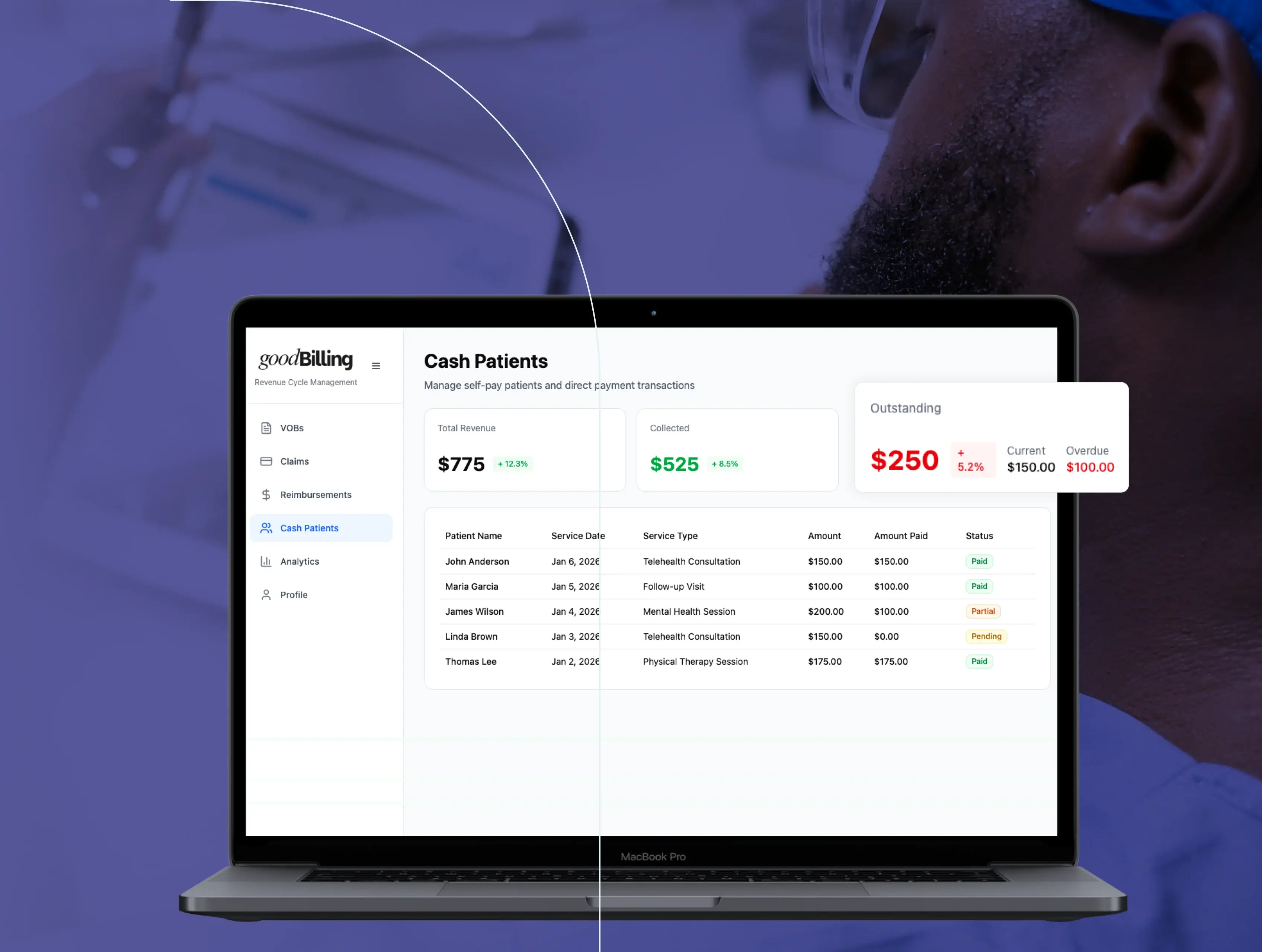
Our agents run in US healthcare billing with strict access controls and audit trails. Finance, insurance, HR, and other teams get the same controls from the first release.
We tell when you don't need us
Our audit flags workflows that the agent builders inside your current software licences already cover. MindK builds only where a custom agent pays for itself.
What
our
clients
say
-

Al Hariri
Co-Founder, Vitagene
USA Results-oriented and
outcome-driven«I can tell you confidently that they are different from your regular agency that just wants to charge as much money for their work as they can get away with. MindK is completely results-oriented and outcome-driven.»
-

Jesse Raccio
CTO, The Game Band
USA The team is always there to dig in and help
«I’m happy with MindK’s agility, which relates to their communication. If we need to pivot on something, they’re ready to go in a different direction, and it doesn’t take a lot of energy to move that ship. The team is always there to dig in and help us out when we need to understand anything. Overall, they’re really supportive.»
-
Ida Groth
Senior Product Manager, Building Materials Company
Norway Responsibility
and proactiveness«It’s so comforting to know that they see the whole picture and take full responsibility. It’s made all of the difference. I was most impressed with their proactiveness.»



Meet your future with agentic AI automation
Schedule a 30‑minute call to map out your first wins. No obligations, no tech speak.
FAQ
-
How does agentic AI automation work?
A trigger such as an email or ticket starts the run. The agent retrieves context, plans the steps and acts through permission-scoped tools. Low-confidence cases go to a review queue. Every action is logged, and reviewer corrections become test cases for future releases.
-
What tasks can AI agents reliably handle without human intervention?
Agentic AI process automation excels at high-volume, repeatable tasks. These include triaging support tickets, summarizing data, drafting responses, updating records, and monitoring workflows. Exceptions or edge cases are, of course, escalated to humans.
-
What are the key capabilities of AI agents for business?
AI agents for business combine five capabilities. They understand unstructured input, such as customer emails and scanned documents. They retrieve context from your systems before acting. They plan multi-step tasks and choose the next action. They act through APIs and other tools within set permissions. Finally, they escalate uncertain or high-risk cases to a person and log every step they take. MindK builds these capabilities from ready-made blocks, so engineering effort goes into your process logic.
-
Do you customize the AI agents to match our business processes?
Yes. We tailor AI agents to your workflows, terminology, approval paths, and even tone of voice. This ensures alignment with internal SOPs and avoids user confusion or friction. If necessary, MindK can also develop fully-custom AI agents.
-
How do companies use agentic AI for business process automation?
MindK starts with one high-volume workflow that has many exceptions, such as warranty claims or invoice mismatches. The agent handles routine cases end to end and routes the rest to a person for review.
-
Do we need technical staff to manage the agents?
Not necessarily. Most AI agent tools are low-code or no-code automation platforms. For advanced customizations or integrations, light support from IT or a solution architect can accelerate success.
-
Can we test AI agents with a low-risk pilot before full deployment?
Absolutely. We typically start with a structured pilot in a controlled environment to demonstrate value, train on your data, and build internal confidence in agentic automation.
-
Will we need to change our existing systems?
No. MindK adds AI process automation to your current tech stack (e.g., Salesforce, ServiceNow, Microsoft 365) via APIs or RPA. We enhance existing tools, not replace them.
-
How do you ensure data security, privacy, and compliance?
-
What is the typical ROI and time-to-value?
Most companies see initial ROI within 3-6 months. Cost savings from automation range from 20% to 60%, with measurable gains in productivity, cycle times, and accuracy from day one.
-
How do you choose among the best agentic process automation companies?
Vendors range from platform companies that license agent-building tools to engineering firms that build and run agents on your systems. Ask each one for a workflow running in production with its volume and error rate. Ask who owns the code and prompts, how agents are tested before each release, and what a task costs at your volume.
DOWNLOAD THE COPY
Fill in the form to get your copy. It's 100% free