




Cloud migration services and consulting
Scale with confidence by migrating your applications, workloads, and data to AWS, Azure, or Google Cloud. Ensure a secure and seamless transition from legacy systems to modern architectures with cloud migration solutions cut operational costs, and boost performance.
Trusted by







Legacy to cloud migration
Cloud migration isn’t about cheaper hosting. It’s about using the cloud’s powerful capabilities to reduce operational costs and get other tangible business benefits.
Raise application scalability
Use auto-scaling, load balancing, horizontal scaling, CDNs, and other best practices.
Cut development cost by 20-40%
Benefit from readymade services, cost-effective scaling, and easier maintenance.
Improve performance
Implement automated load balancing, elastic computing, CDNs to serve more users fast.
Increase the speed of innovation
Deploy applications faster without having to worry about the infrastructure state.

Cloud migration services we provide


Our cloud migration process
Discovery & Assessment
Before any cloud workload is moved, we conduct a thorough assessment of your current infrastructure, applications, data dependencies, and performance baselines. This phase ensures you only migrate workloads that are suitable for the cloud and helps avoid surprises later.
You get: Application inventory and dependency maps, cloud readiness scoring, initial cost estimate, and risk profile.
Duration: 1–3 Weeks
Cloud migration strategy
We develop a detailed cloud migration strategy and roadmap, including prioritization, chosen migration methods (e.g., lift-and-shift, replatforming, refactoring), security planning, and compliance requirements.
You get: Migration blueprint, target architecture, migration sequencing plan, estimated timelines.
Duration: 2–6 Weeks
Proof of Concept, Landing Zone Setup
Before large-scale execution, we validate your approach with a pilot. We also set up the cloud landing zone, a secure, automated environment tailored to your organization’s policies (networking, IAM, monitoring, logging). This phase minimizes downtime and shows early results to stakeholders.
You get: Performance and tooling validation, compliance guardrails, risk mitigation.
Duration: 1–4 Weeks
Migration Execution
This phase covers the actual transfer of selected workloads into the cloud. We emphasize phased execution. Our engineers migrate groups of workloads in controlled “waves”, reducing business disruption and fostering iterative optimization.
You get: Data and application migration, database sync & replication, cutover plan, functional and performance testing reports, rollback & contingency setups.
Duration: 4–16 Weeks
Testing, Validation & Cutover
Once workloads are migrated, comprehensive testing ensures performance, security, and compliance meet your expectations. Only after successful validation do we switch operational traffic to the cloud environment.
You get: Cloud environment integrity, performance benchmarking, security and access validation, rollback triggers.
Duration: 2–6 Weeks
Post-Migration Support
After go-live, the cloud migration journey enters optimization for cost-efficiency, resilience, and ongoing innovation. This phase is continuous and ongoing long after the initial migration project closes.
You get: Resource right-sizing, performance tuning, autoscaling, security monitoring, cost observability and alerts, operational handover.
Duration: Ongoing

Solve your scaling challenges
AWS cloud consulting
Azure cloud consulting
DevOps services
Application modernization
Test automation
Software performance testing
AI agent development
SaaS development
-
 Amazon Web Services
 - Microsoft Azure
- Google Cloud Platform
- Hetzner
- Docker
- Kubernetes
- Terraform
- Helm
- SonarQube
- Prometheus
- Grafana
- Ansible
- ELK Stack
- Terraform
-
 Vanta
Vanta


Key deliverables
Cloud migration roadmap
Containerization/
packaging
CI/CD automation scripts
Environments setup in the cloud
Support and mentoring
Infrastructure as Code (IaC)

Choose your service option
Cloud migration consulting
Managed service
Staff augmentation

Why MindK
13+ years of excellence
Since 2009 we've helped dozens of companies move to the cloud.
A team of top minds
Only 4 out of 100 candidates get to join our team.
5+ years average relationship
We strive to build lasting relationships with our clients.
9/10 of clients ready to recommend us
96% of our clients recommend our services to friends and partners.
Industries we serve
What
our
clients
say
-

Yokoy
Talent Acquisition Expert, Yokoy
Switzerland The workflow was very effective
«The cloud migration project could be accelerated and we were able to focus on other topics within DevOps and Cloud. The workflow was very effective, the communication went very well and all deadlines were met. There were no issues whatsoever at any time. Their pace, level of service, and quality aren't always easy to find amongst vendors.»
-

Per Otto Larsen
Head of CSR Services, CEMAsys.com
Norway High level of detail
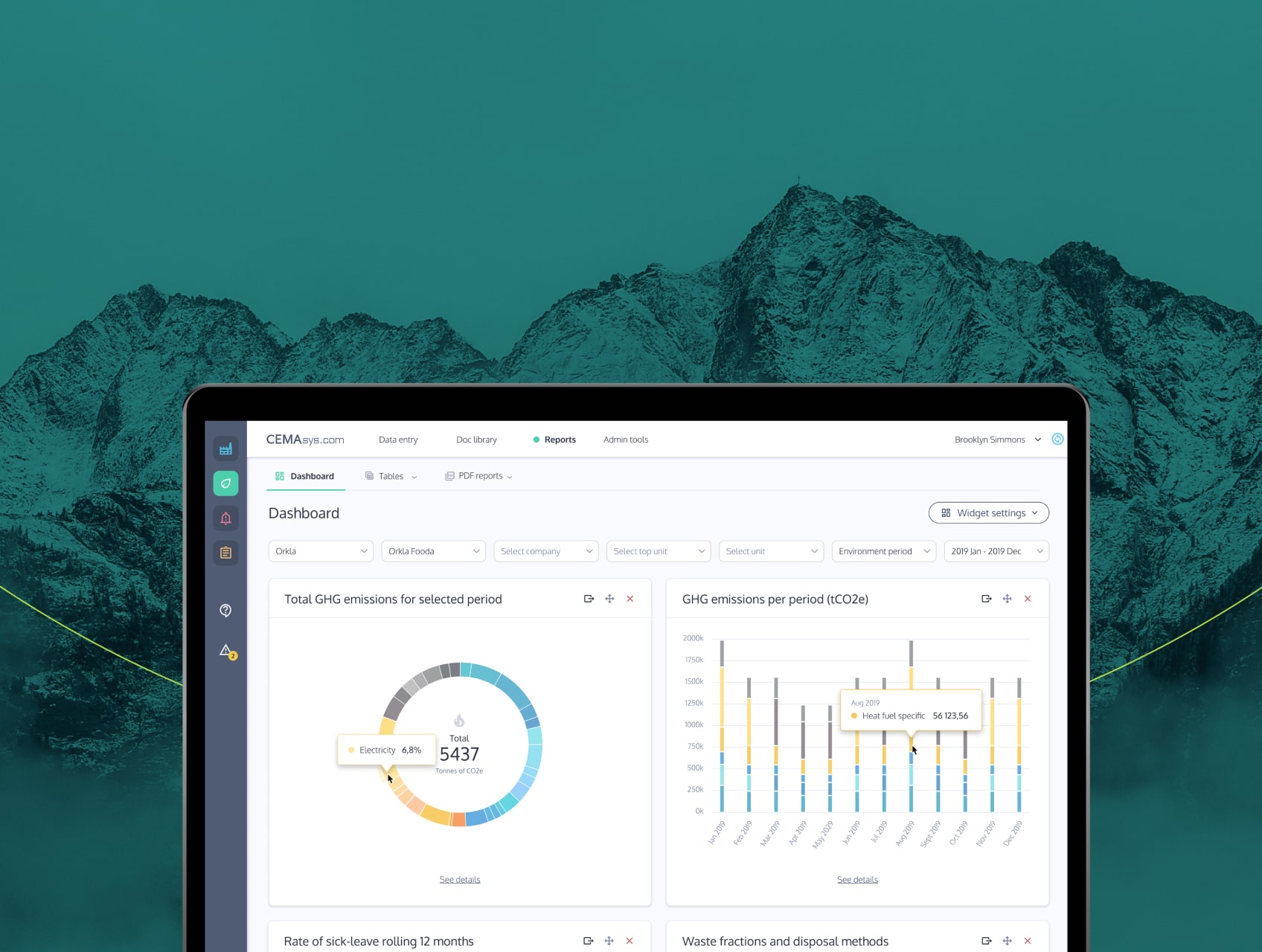
and thoughtfulness«The level of detail and thoughtfulness of what they deliver is so good, that a simple explanation of the next idea serves as the basis for them to take it and turn into reality. MindK’s support allows us to focus on core business, product growth and our customers’ needs.»
-
Jens Christian Bang
CEO, Already On
Norway MindK always finds a solution
«We've been successfully cooperating with MindK since 2010. What we were impressed with about people at MindK during all years of partnership — they never give up. We're not worried, as we know that MindK always finds a solution.»
-
Fintech Firm
Head of Talent Acquisition, Yokoy
SwitzerlandThere were no issues whatsoever
We're a FinTech Scale-up from Switzerland, with over 250 employees operating in Europe. We shortlisted a few vendors, however, MindKs approach was very fast, very professional and we received the exact right profiles that we were looking for. The workflow was very effective, the communication went very well and all deadlines were met.
-

Jesse Raccio
CTO, The Game Band
USA The team is always there to dig in and help
«I’m happy with MindK’s agility, which relates to their communication. If we need to pivot on something, they’re ready to go in a different direction, and it doesn’t take a lot of energy to move that ship. The team is always there to dig in and help us out when we need to understand anything. Overall, they’re really supportive.»
-
Philip Yancey
Partner at Converze Media,
USA A reliable partner
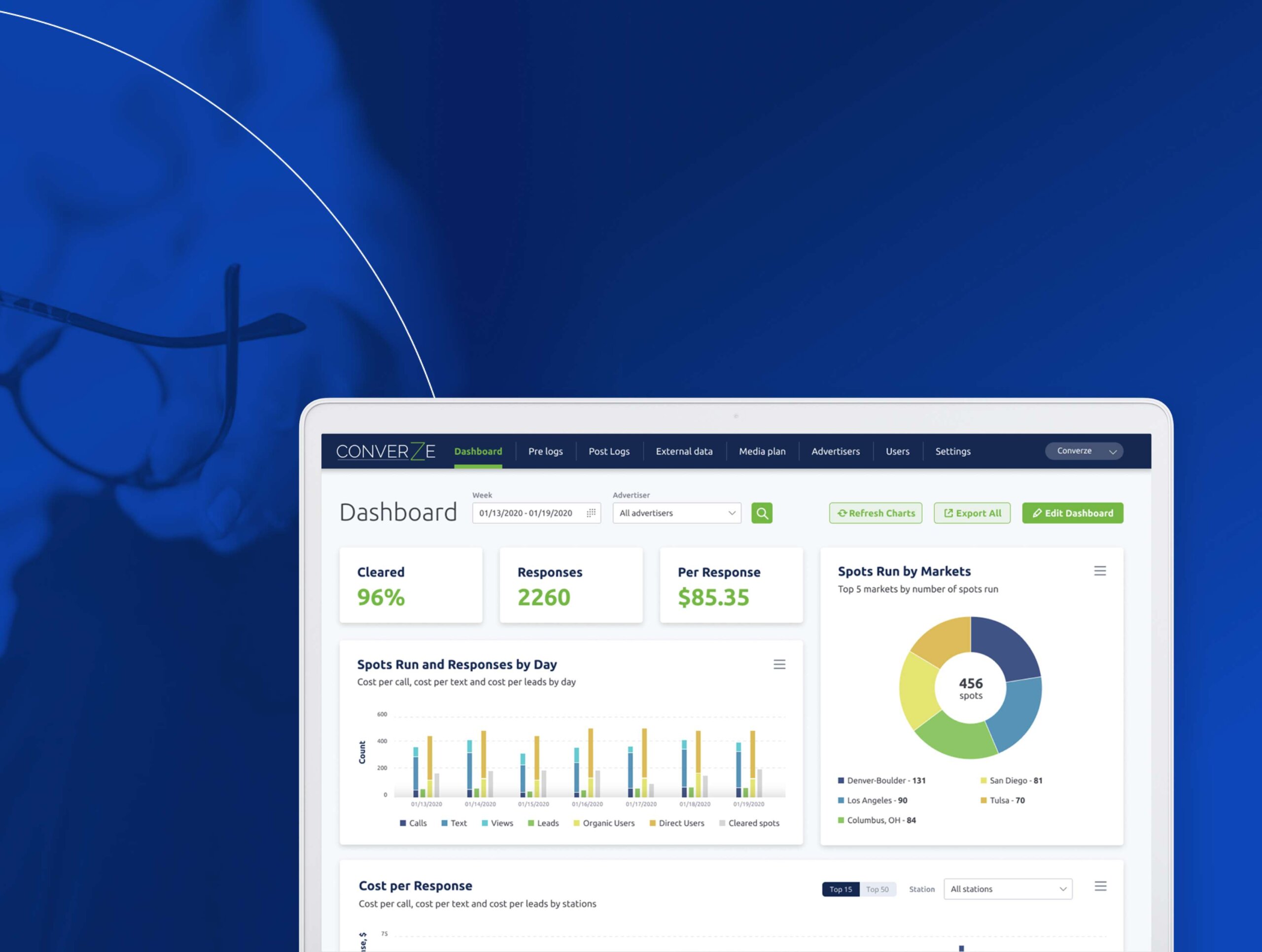
«I appreciate how MindK was able to build such a platform from conference calls, emails and basically a wish list of what our company wanted and needed automated to make Converze a more efficient and effective player in our space.»





Prepare your business for the cloud migration
Tell us about your infrastructure challenges and we'll help you fix them.
Our approach

Frequently Asked Questions
- What are cloud migration services?
Cloud migration services help businesses move workloads, applications, and data from on-premise systems to public, private, or hybrid cloud environments (e.g., AWS, Google Cloud, Microsoft Azure) with minimal business disruption.
- Why should my business migrate to the cloud?
Cloud migration delivers improved scalability, performance, and resilience. It enables cost optimization through pay-as-you-go models, accelerates innovation with agile deployments, and enhances security with modern cloud controls.
- How long does it take to migrate to the cloud?
You can have a simple app with a couple of services you can migrate in half a day. In case of massive systems, the cloud migration engineering services might take up to 18 months. You can get a more detailed cloud migration timeline by talking to our experts.
- How much does cloud migration cost?
Cloud migration costs hinge on the project specifics. It’s important to perform an application assessment for cloud migration to accurately estimate the project duration. You can then multiply it by the specialist’s rates with the average cloud engineer in the US earning $79 per hour, according to Glassdoor.
- How do you handle cloud migration security?
Our cloud engineers always follow the best security practices of cloud service providers. Depending on the client’s needs, we can use private networks, VPN IPsec tunnels, separate sub-accounts for environments, Single Sign-On (SSO), relevant security groups, and Security as Code tools like Snyk and SonarQube.
- What are the types of migration in cloud computing?
There are five approaches to cloud migration (also called “5Rs”):
- Rehosting involves lifting the app to a cloud server without any changes.
- Refactoring optimizes the software for the cloud before a legacy to cloud migration.
- Revising means tweaking the application architecture to fully benefit from the cloud.
- Rebuilding involves rewriting the app’s code to build upon the Revise approach.
- Replacing discards the company’s app to use pre-built software from a third-party vendor.
- Which is a good company for cloud migration?
As one of the top cloud migration service providers, MindK has over 170 success stories. Since 2009, we’ve seen all sorts of projects – tiny apps and massive enterprise systems; monoliths and microservices; cutting-edge tech stacks and PHP backends. Over time, most of our clients choose to adopt DevOps best practices and migrate to a service-oriented architecture. Helping them gave us deep expertise in AWS, Azure, and GCP on premise to cloud migration.
- What cloud providers do you support?
We specialize in cloud migrations to AWS, Microsoft Azure, Hetzner, and Google Cloud Platform, including hybrid and multi-cloud strategies.